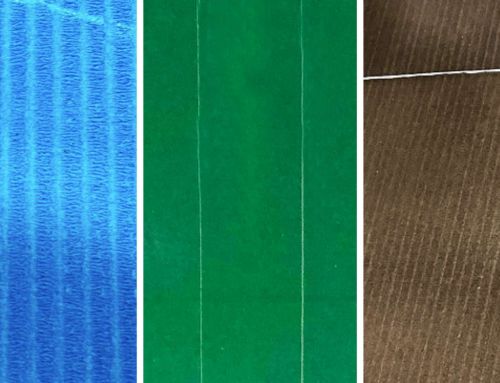
Colour Variation – Print issues in flexographic print
Decoding Colour Variation in flexographic Print: Understanding, its Impact and Prevention
In the vibrant world of flexographic printing, achieving consistent and accurate colour is paramount.
However, there are a multitude of variable print issues that can seriously impact your print quality and productivity.
Common Print Issues
Within the list of print issues, is colour variation.
The frustrating reality of colour variation is it can creep in, impacting not only the visual appeal of your printed products but also your production efficiency and bottom line.
To support the flexographic print sector, we want to shed light on what colour variation is, its common culprits, its far-reaching effects, and, most importantly, how to prevent it.
What is Colour Variation in Flexographic print?
At its core, colour variation in flexographic print refers to any deviation in the intended specification of colour output during a print run or across different print jobs. This can manifest in several ways:
- Within a print run: Subtle or significant differences in colour intensity, hue, or saturation across the printed substrate. You might notice the beginning of the run looking different from the end, or variations across the width of the web.
- Between print runs: Inconsistency in achieving the same colour standard when running the same job on different days or with different material batches.
- Across different printing units: Colour mismatches between different ink stations on the same press, especially noticeable in multi-colour designs.
Visualising the Issue

Colour variation print issues visible in the contrast between two samples of printed box.
Flexographic print variation is most clear during a large print run. This means over multiple prints it will be easier to notice a change in colour or quality.
The image illustrates two printed cardboard boxes from the same print run, which illustrate the differing of colour that has occurred during the print run.
Colour variation is clear on these printed boxes as one tone of yellow colour is richer, fuller and more prominent than the colour that looks washed out and less impacting on the eye.
Common Causes of Colour Variation
To effectively prevent colour variation, its important to understand its fundamental causes so we can implement effective preventative action.
Ink Inconsistencies:
- Viscosity fluctuations: Changes in ink viscosity due to temperature variations, solvent evaporation, or inadequate agitation can directly affect the amount of ink transferred to the substrate.
- pH drift (for water-based inks): Fluctuations in pH can alter the ink’s properties, leading to colour shifts.
- Contamination: Foreign particles or dried ink within the ink system can disrupt ink flow and colour consistency.
Anilox Roller Issues:
- Cell volume inconsistencies: Variations in the volume of the anilox cells across its surface or between different anilox rollers will result in differing amounts of ink being metered.
- Wear and damage: Over time, anilox cells can wear down or become damaged, leading to inconsistent ink transfer.
- Plugged cells: Dried ink or debris blocking the anilox cells will restrict ink flow, if not cleaned regularly.
Other Variations:
- Absorbency differences: Variations in the substrate’s absorbency across the web or between anilox rolls will affect how the ink is absorbed and the final colour appearance.
- Doctor blade issues: Due to incorrect fitting, poor quality, or wear and damage, the doctor blade won’t engage correctly with the anilox roller, causing ink application issues.
- Anilox roller pressure: Incorrect or inconsistent pressure settings can lead to either too much or too little ink transfer.
- Press speed variations: Fluctuations in press speed can affect the dwell time and ink laydown.
- Environmental factors: Variations in temperature, humidity, and air quality can influence how ink dries and the resulting colour printed.
Prevention strategies
To minimise the occurrence of colour variation, we recommend implementing the following best practices:
- Ink management: Implement a robust ink management system to ensure consistent ink quality and supply. Check and adjust the ink viscosity to the correct level before and during print runs. Ink viscosity can change during the print run due to various factors, continuous monitoring and checks are essential.
- Maintenance: Implement a thorough cleaning and maintenance schedule to keep anilox rollers and other key components in optimal condition.
- Doctor blade installation: Ensure doctor blade and ink chamber are fitted correctly and choose the appropriate blade type for the print operation.
- Press calibration: For accurate colour reproduction, it’s important to calibrate press settings regularly.
- Substrate testing: Assess substrate suitability for the intended print quality and inks through testing and check the same substrate is used for the print run.
- Environmental control: Maintain a controlled printing environment, to minimise fluctuations in temperature and humidity.
By remembering and implementing these best practices, you can minimise colour variation, leading to better print quality, increased productivity, and improved business profits.
The Ripple Effect: Impact on Print Quality and Productivity
Colour variation isn’t just an aesthetic concern; it has tangible consequences for your print quality and overall productivity:
- Compromised Brand Integrity: Inconsistent colours can undermine brand recognition and customer trust, especially when dealing with customers’ strict brand guidelines.
- Increased Waste: Off-colour prints lead to rejects and material waste, driving up production costs.
- Production Delays: Troubleshooting colour issues and reprinting jobs consume valuable time and disrupt production schedules.
- Customer Dissatisfaction: Receiving inconsistent products can lead to customer complaints, returns, and potentially lost business.
- Reduced Efficiency: Print operators spend more time making adjustments and monitoring colour, reducing overall press efficiency.
Print Tech Solutions: Where Partnership Meets Print Excellence
At Print Tech Solutions, we are committed to providing our customers with the right cleaning solutions, knowledge and resources necessary to achieve consistent, high-quality print results.
With over 20 years of experience, we work with our customers to implement the best practices to minimise print issues and maintain anilox rollers and keeping core print components in top condition.
A good understanding of why colour varies, coupled with effective prevention methods, will enable print operators to maintain consistent print quality, minimise waste, and enhance overall productivity.
Making time for the correct cleaning, maintenance and set-up is crucial to your business productivity.
We hope this brief guide serves as a valuable resource for your flexographic printing operations.
Enquire with our team today to find out how we can support your flexographic print strategy – Contact our team.
Safe and effective cleaning solutions to support top condition anilox rollers and consistent high-quality print. Cleaning solutions you can trust