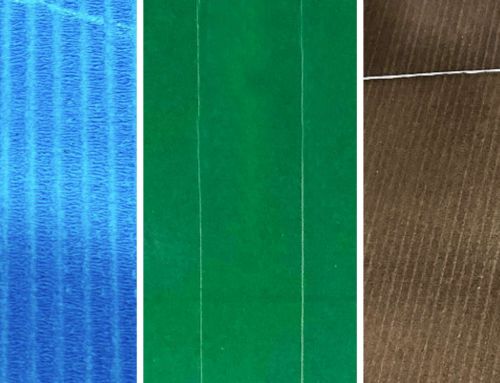
Score Lines – Print Issues in Flexographic Print
Understanding and Avoiding Score Lines on Anilox Rolls: A Guide for Flexographic Print Operators
With an array of variables that can impact the quality of the flexographic print produced, it is essential that print operators have the knowledge to identify problems quickly to avoid or reduce print rejects and production downtime.
At Print Tech Solutions, we have always supported customers in not just supplying safe and effective cleaning solutions, but giving technical support to print operations to aid delivery of consistent high-quality print.
Common Print Issues
One damaging print issue is score lines. This is an avoidable issue, but one that will not only cause print rejects, but can lead to costly anilox repairs.
This article aims to provide a brief overview and understanding of score lines, their causes, and practical preventative actions, to pro-long anilox life and uphold optimal print.
What are Score Lines?
Score lines, are due to a row of the delicate engraved ceramic cells on the anilox roller being destroyed, which in turn transfers onto the finished printed product. It will appear as a dark or light line through the colour of the print.
Depending upon the extent of the score line, an anilox roll will either need to be refurbished or replaced. Either option is expensive and has an impact on productivity.
Visualising the Issue:
The image below illustrates the score line on an anilox roll and cell image.

Score Lines embedded into anilox roller and cell structure
Damage to the intricate anilox cells, will result in the incorrect metering of ink, transferring to the printing plate and substrate. This will be visual by score lines appearing in the finished printed substrate. Obviously, not acceptable for printer of customer.

Causes of Score Lines:
Understanding the root causes of score lines is vital for effective preventative action.
- Doctor Blade Wear-and-Tear
- Over time a metal doctor blade will wear. Eventually small particles of metal can enter the inking system. If these slithers and particles aren’t filtered out quickly, they will become lodged in between the blade and the anilox. This will lead to the small particles being trapped and begin to score the outer surface of the anilox, damaging the delicate cells.
- Pressure – Doctor Blade Installation:
- Too often the doctor blade is either positioned incorrectly or too much pressure is exerted, causing the doctor blade to bend and come into contact with the anilox and cause scoring.
- Dried Ink:
- If anilox rolls are not cleaned regularly and correctly, dried ink can build up across the chamber and get trapped between the anilox and doctor blade, which can lead to dried ink scoring the delicate ceramic cells.
Prevention Strategies:
To minimise the occurrence of score lines, implement the following best practices:
- Implement a rigorous anilox cleaning regime. Keeping anilox and ink chamber clean, using safe and effective cleaning solutions and free of any debris and contaminates is essential.
- Monitor and inspect critical components. Daily checks to see any visible wear and tear on anilox and doctor blades. Keep these core components in top condition at all times.
- Good quality doctor blades. If using steel blades, check for wear and tear and use good quality steel blades. Alternatively, use plastic composite blades.
- Fit magnets. When using metal blades, fragments can break off, using magnets will capture these fragments before becoming trapped and scoring the anilox cells.
- Chamber installations. Ensure the end chamber seals are fitted correctly.
- Repair and replace. Don’t leave damaged blades or anilox in place. If damage is noticed early on an anilox roll, it can be the difference between a less expensive refurbishment and a full anilox replacement.
- Correct pressure. Often to compensate for ink coverage, extra pressure is exerted on the doctor blade chamber, cranking it closer to the anilox, which can result in scoring.
- Correct fitting of doctor blades. Don’t cut doctor blades too long. Blades which are too long will over hang the anilox roll and can cause a deep groove in the contact area. Fit doctor blades the correct orientation (profile away – see installation below).

- Regular full anilox audits. This should involve checking the complete print system, including anilox rolls and the cell structure, plus doctor blade installation and condition, end seals, ink pipes and chambers to keep track of condition and identify unusual wear and tear, to support and maintain high-quality print.
Remember, score lines will disrupt production, cause print rejects and cost time and money.
Print Tech Solutions: Your Partner in Print Excellence
We’re here to help you
Print Tech Solutions supply safe, effective and appropriate cleaning solutions, and continued technical support, to help our customers maintain anilox in top condition, so optimum print can be achieved, time and time again.
Keeping print rejects down and productivity up.
By understanding the causes of score lines and implementing effective prevention actions, will save your business money, and keep print rejects down and productivity up.
We hope this brief guide serves as a valuable resource for your flexographic printing operations.
Helping you reduce your print issues, improve production efficiencies, and produce consistent high-quality print.
To discuss our range of cleaning solutions, or book an anilox audit, or discuss your print issues Contact us now.
T: 0161 366 6286 | E: info@print-techsolutions.co.uk